


Essential Oregon Landlord Forms for Compliance: A Guide to Landlord Forms Oregon
Navigating the world of property management in Oregon can be complex. As landlords or property managers, staying compliant with state laws is not just a good practice - it’s a legal necessity. One of the most effective ways to ensure compliance is by using the correct landlord forms. These documents protect your rights, clarify tenant responsibilities, and help avoid costly disputes. In this post, I’ll walk you through the essential forms every landlord in the Portland Metro Area should have on hand.
Why Proper Landlord Forms Oregon Matter
Using the right landlord forms Oregon is crucial for several reasons. First, they provide a clear, written record of agreements and communications between you and your tenants. This clarity helps prevent misunderstandings. For example, a well-drafted lease agreement outlines rent amounts, due dates, and maintenance responsibilities, reducing the chance of disputes.
Second, these forms ensure you comply with Oregon’s specific landlord-tenant laws. Oregon has unique rules about security deposits, notice periods, and habitability standards. Using outdated or generic forms can leave you vulnerable to legal challenges.
Finally, proper forms streamline your property management process. They save time by standardizing communications and make it easier to enforce your rights if issues arise. Think of them as your first line of defense in managing rental properties effectively.

Key Oregon Landlord Forms You Need
Let’s break down the essential forms you should have ready:
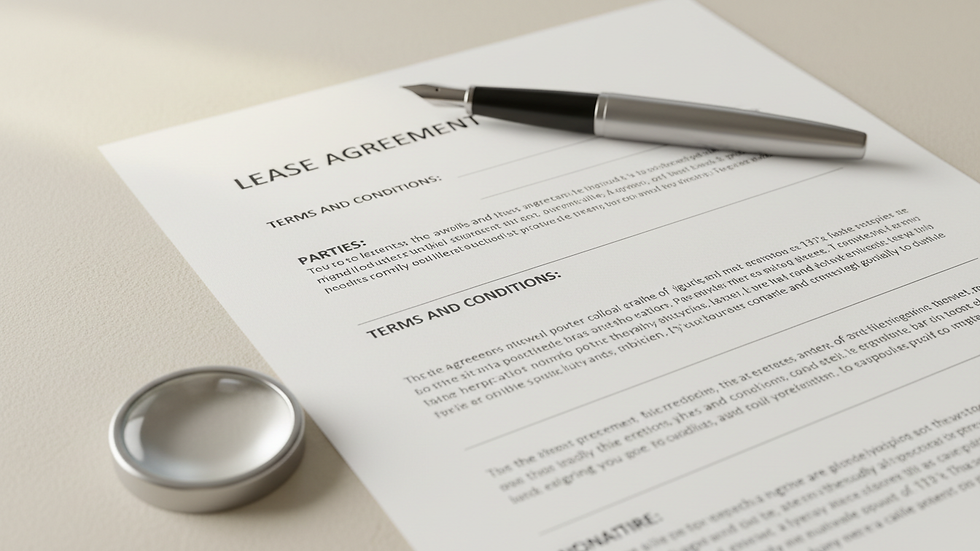
1. Residential Lease Agreement
This is the foundation of your landlord-tenant relationship. The lease agreement should include:
Names of all tenants
Property address
Lease term (fixed or month-to-month)
Rent amount and payment terms
Security deposit details
Maintenance responsibilities
Rules and regulations (e.g., pet policies, smoking)
Make sure your lease complies with Oregon’s Residential Landlord and Tenant Act. For example, Oregon limits security deposits to one month’s rent and requires landlords to return deposits within 31 days after tenancy ends.
2. Rental Application Form
Before signing a lease, use a rental application to screen potential tenants. This form collects:
Personal information
Employment and income details
Rental history
References
Consent for background and credit checks
A thorough application helps you assess tenant reliability and reduces the risk of late payments or property damage.
3. Move-In/Move-Out Inspection Checklist
Documenting the property’s condition at move-in and move-out protects you from unfair damage claims. This checklist should note:
Cleanliness
Existing damages or wear
Functionality of appliances and fixtures
Both you and the tenant should sign the checklist. This form is especially important when handling security deposit disputes.
4. Notice to Enter Premises
Oregon law requires landlords to provide tenants with at least 24 hours’ notice before entering the rental unit, except in emergencies. Use this form to notify tenants of:
Repairs
Inspections
Showings to prospective tenants or buyers
Clear communication here helps maintain trust and avoids accusations of unlawful entry.
5. Notice of Rent Increase or Lease Termination
When you need to raise rent or end a tenancy, proper notice is essential. Oregon law specifies:
At least 90 days’ notice for rent increases on month-to-month leases
30 days’ notice for lease termination in most cases
Using a formal notice form ensures you meet these requirements and provides a written record.
How to Customize Forms for Your Properties
While standard forms are a great starting point, customizing them to fit your specific properties and management style is wise. Here are some tips:
Include local ordinances: Portland and other cities in Oregon may have additional rules, such as rent control or tenant relocation assistance. Make sure your forms reflect these.
Clarify pet policies: If you allow pets, specify types, sizes, and any additional deposits or fees.
Add maintenance protocols: Outline how tenants should report repairs and your expected response times.
Use clear language: Avoid legal jargon that tenants might not understand. Clear, simple language reduces confusion.
Remember, any changes should still comply with Oregon state law. When in doubt, consult legal counsel or trusted landlord associations.
Staying Updated with Oregon Rental Laws
Oregon’s landlord-tenant laws can change, sometimes rapidly. For example, recent legislation has introduced new tenant protections and altered eviction procedures. Staying informed is critical to maintaining compliance.
I recommend:
Subscribing to newsletters from landlord associations
Attending local workshops or webinars
Following updates from the Oregon State Bar or housing agencies
Regularly reviewing and updating your forms ensures they remain legally sound and effective.
Practical Tips for Using Oregon Landlord Forms
Here are some actionable recommendations to get the most out of your landlord forms:
Keep digital and physical copies: Store signed forms securely in both formats for easy access.
Use checklists: Create a checklist for each tenant file to ensure all necessary forms are completed and signed.
Communicate clearly: When handing over forms, explain their purpose to tenants. This builds transparency and trust.
Document everything: Use forms to document all significant interactions, such as rent payments, complaints, or repair requests.
Review forms annually: Laws and best practices evolve. Set a yearly reminder to review and update your forms.
By following these tips, you’ll reduce risks and improve your property management efficiency.
Where to Find Reliable Oregon Landlord Forms
Finding trustworthy, legally compliant forms can be challenging. Generic templates often miss critical state-specific details. That’s why I recommend using resources tailored to Oregon landlords.
Our association provides a comprehensive set of oregon landlord forms designed specifically for the Portland Metro Area. These forms are regularly updated to reflect current laws and include clear instructions.
Using these forms not only saves time but also gives you peace of mind knowing you’re protected.
Managing rental properties in Oregon requires diligence and attention to detail. Having the right landlord forms is a fundamental part of that process. They protect your interests, ensure legal compliance, and foster positive tenant relationships. Whether you’re drafting a lease, issuing a notice, or conducting inspections, using proper forms is your best strategy for success.
If you want to dive deeper into effective property management, check out our YouTube channel, Mr. Portland Landlord, where we share practical tips and updates tailored for landlords in the Portland Metro Area.

By staying informed and prepared, you can confidently manage your properties and navigate Oregon’s rental landscape with ease.


.png)

Comments