


Oregon HB 4123: Proposed Limits on Landlord Disclosure of Confidential Tenant Information
Hey there, fellow Oregon landlords, property managers, and real estate investors. Christian Bryant here from the Portland Area Rental Owners Association (PAROA). The 2026 legislative session is just getting underway, and House Bill 4123 has already landed on our radar. Introduced in late January 2026, this bill is titled "Relating to landlord disclosure of confidential information; prescribing an effective date." Its core purpose, as stated in the official catchline, is to limit the circumstances under which a landlord may disclose confidential tenant information.
Another round of changes to landlord-tenant rules so soon? It’s a familiar feeling—we barely get settled with one set of updates before the next arrives. But this one deserves our attention. Let’s break down what we know about the introduced version, how it could affect day-to-day operations, and why it matters to everyone who owns or manages rental property in Oregon.
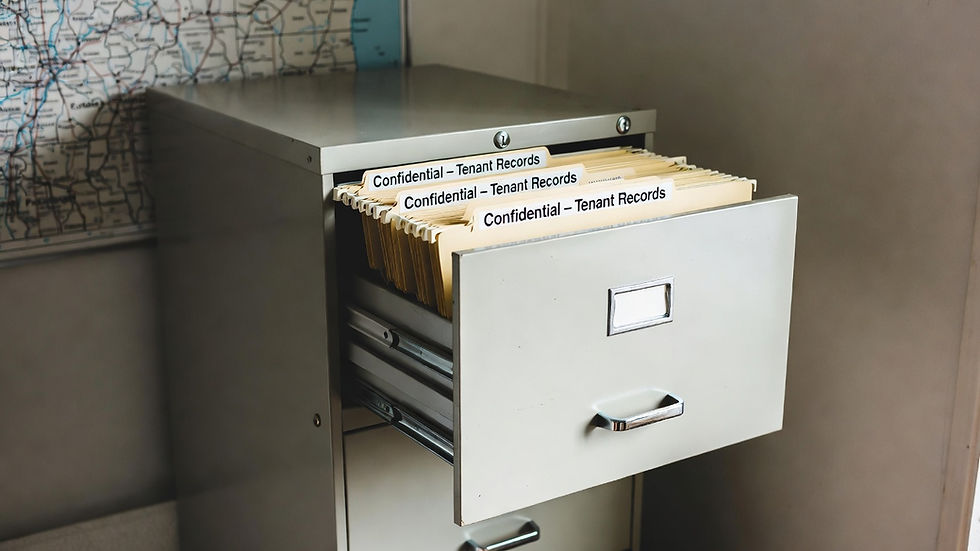
As of January 29, 2026, HB 4123 - Oregon landlord confidential information disclosure bill - remains in its original introduced form, awaiting assignment to committee and first reading. No amendments or hearings have been scheduled yet. The full text is available as a PDF on the Oregon Legislative Information System (OLIS), linked below. While the complete legislative language isn’t displayed in plain text on the overview page, the bill’s intent is clear: it seeks to narrow the situations in which landlords can share certain tenant information classified as confidential.
In landlord-tenant context, “confidential information” typically includes personal identifiers collected during applications—Social Security numbers, driver’s license numbers, financial account details, immigration status, source-of-income documentation, and sometimes medical or disability-related information provided for reasonable accommodation requests. Current Oregon law already places boundaries on sharing such data, requiring truthfulness in references, allowing reporting to credit bureaus under strict conditions, and mandifying disclosure when compelled by court order or subpoena. HB 4123 would tighten those boundaries further, likely by adding new restrictions or requiring explicit tenant consent in more scenarios.
If enacted in its current form, here’s what the practical impact could look like for landlords, property managers, investors, and developers across the state:
Rental References and History Sharing Today we can provide factual rental history—payment patterns, lease compliance, property condition upon move-out—to inquiring landlords, provided we stick to the truth and avoid defamation (see ORS 90.155). Under the proposed limits, we might need prior written consent from the former tenant before sharing anything beyond basic tenancy dates. That could slow the informal network we rely on to protect our properties from repeat problem tenants. Imagine getting a reference request for the tenant who treated “no pets” as a suggestion rather than a rule—do you stay silent to stay safe, or risk a complaint by speaking up?
Debt Collection and Eviction-Related Disclosures Reporting unpaid rent or eviction filings to credit bureaus and collection agencies is already heavily regulated. This bill could add another layer—perhaps requiring additional notice to the tenant or limiting what specific details can be shared. Court records themselves remain public, but private settlement agreements or internal notes might fall under the new confidentiality umbrella.
Application and Screening Processes We gather a lot of sensitive data upfront: bank statements, pay stubs, background reports. Stricter disclosure rules would likely push us toward even stronger data-security practices—encrypted storage, restricted staff access, and audited sharing protocols. For investors acquiring tenanted properties, due-diligence reviews of tenant files could become more complicated if certain records can’t be transferred without individual consents.
Increased Liability Exposure Any violation of the new limits could trigger civil penalties, private lawsuits, or fair housing complaints if the disclosure is perceived as retaliatory or discriminatory. In an environment where legal defense costs add up quickly, the safest course may become “say as little as possible,” even when cooperation would benefit the broader landlord community.
Broader Portfolio and Development Implications For those managing larger portfolios or developing new units, compliance overhead rises—staff training, policy revisions, possible legal consultations. In a market already constrained by rent stabilization, fee caps, and relocation assistance requirements, additional administrative burden isn’t trivial.
Common scenarios to watch:
A prospective landlord calls about a former tenant who caused significant damage. Without clear consent, many of us may limit responses to “tenancy from X to Y date,” leaving the next owner potentially blindsided.
A government agency requests tenant information outside a formal subpoena. Current practice varies; new restrictions could prohibit cooperation in some cases.
A data breach occurs. Heightened standards could mandate immediate reporting and carry stiffer penalties.

Best-practice recommendations (whether this bill passes or not):
Implement robust consent language in applications and leases covering reference sharing.
Move sensitive documents to secure, access-controlled digital systems.
Train all staff on what can and cannot be shared, and document every disclosure decision.
Add clear privacy notices to all forms explaining data collection, use, and protection measures.
This proposal fits into a larger conversation about tenant privacy that’s been gaining momentum statewide and nationally. Stronger protections can reduce identity-theft risks and build tenant trust—an asset in a competitive rental market. At the same time, overly broad restrictions could hinder legitimate business needs and make it harder to maintain safe, well-managed properties.
Call to Action
HB 4123 is still in the early stages—now is the perfect time to make your voice heard.
Track the bill here: https://olis.oregonlegislature.gov/liz/2026R1/Measures/Overview/HB4123
Download the introduced text here: https://olis.oregonlegislature.gov/liz/2026R1/Downloads/MeasureDocument/HB4123/Introduced
Find and contact your legislators here: https://www.oregonlegislature.gov/FindYourLegislator/leg-district-map.html
Let them know how these proposed limits would affect small and mid-sized landlords, property managers, and the overall supply of safe rental housing in Oregon. Polite, fact-based input from constituents truly does influence outcomes.
Stay informed and stay engaged—PAROA has your back.
Sources:
Oregon Legislative Information System (OLIS) - HB 4123 Overview: https://olis.oregonlegislature.gov/liz/2026R1/Measures/Overview/HB4123
OLIS Introduced Text Download: https://olis.oregonlegislature.gov/liz/2026R1/Downloads/MeasureDocument/HB4123/Introduced
Oregon Revised Statutes Chapter 90 (Residential Landlord and Tenant): https://www.oregonlegislature.gov/bills_laws/ors/ors090.html


.png)

Comments